| Key Takeaways: • Clear explanations of roofing terms reduce homeowner confusion and objections • Visuals and diagrams improve understanding during estimates • Explaining function and risk builds trust and revenue opportunities • Better communication reduces change orders and delays |
Homeowners push back when they do not understand what they are paying for. Roofing terms create that gap during inspections and again when they read your estimate. Your job is to translate each term into function, risk, and outcome. Even the National Roofing Contractors Association maintains a standardized glossary of roofing terms, underscoring the importance of clear terminology during inspections and estimates.
This guide gives you the exact terms to cover and how to explain them without over-talking.
Roofing Terms to Explain During the Inspection
Define terms before they appear on your roofing estimate.
Decking
Decking is the wood foundation under the roofing material. If the decking is compromised, the system above will not perform. Point out any soft spots and explain that replacement prevents future failure.
Roof Flashing
Roof flashing is installed at key roof intersections to block water intrusion around chimneys, walls, skylights, and valleys. If flashing fails, water enters at the most vulnerable point. Show the location and state whether you are reusing, repairing, or replacing it.
Eaves and Gables
Eaves are the overhanging edges of the roof along the outside of a house. Gables are triangular wall sections formed by pitched roof lines. Explain that runoff patterns, wind exposure, and ventilation details often change at eaves and gables.
Soffit and Fascia
Soffit sits beneath the eave and helps air flow into the attic space. The fascia is the vertical board at the roof edge where gutters attach, so it matters for accurate gutter measurements and proper alignment. When soffit and fascia deteriorate, ventilation and gutter performance suffer, and wood rot spreads faster.
Roofing Terms to Pre-Explain Before You Send the Estimate
If these terms appear without context, you invite delays and rework.
Square
In roofing, one square equals 100 square feet. Squares drive material quantities and labor planning. When you state the number of squares, connect it to the roof size they can visualize.
Shingle Roof vs Tile Roof
A shingle roof is lighter, less expensive upfront, and common on most homes. A tile roof lasts longer but adds weight and may require structural reinforcement. When comparing a shingle roof vs tile roof, explain lifespan, weight, and repair complexity rather than style.
Underlayment
Underlayment is the secondary water barrier installed over decking and under the finished roofing material. It protects against wind-driven rain and temporary exposure during installation. If you upgrade the underlayment, explain what failure it is meant to prevent.
Starter Strip
Starter strip seals the first course at the roof edge and improves wind resistance. If you do not include it, homeowners may assume it is an optional trim. Treat it as a performance component.
Ridge Vent
A ridge vent releases hot, humid air from the attic through the roof’s peak. Balanced ventilation reduces heat stress on materials and lowers the risk of moisture. If intake is limited, explain what you are doing to correct airflow at the soffit line.
Use a Parts of a Roof Diagram During the Presentation
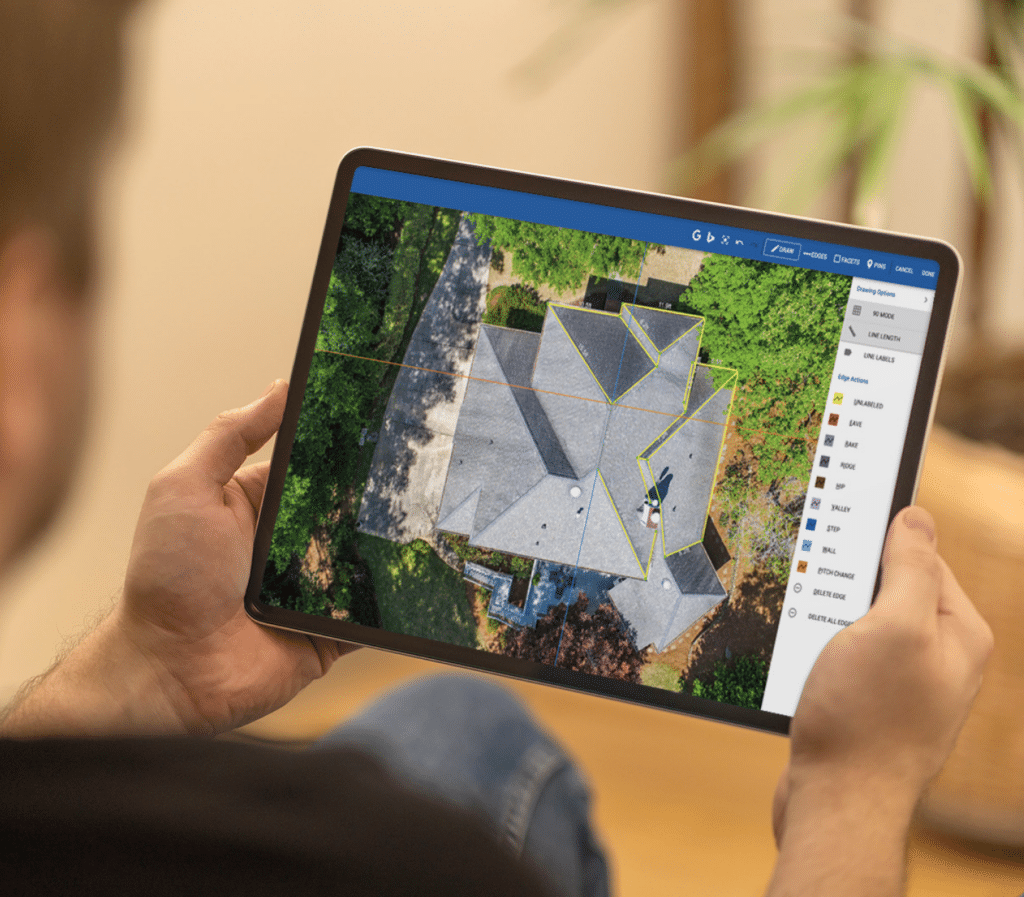
Parts of a roof diagram prevent homeowners from guessing where problems are located. Label ridge, valleys, decking, underlayment, roof flashing, soffit and fascia, and the eaves and gables. Connect each label to the exact line of items on your scope, so the estimate reads like a map, not a list.
Roofing Terms That Directly Impact Price
These items change labor, safety requirements, and material quantities. Explain them before homeowners try to compare bids line by line.
Pitch
Pitch is the steepness of the roof. A higher roof pitch increases fall protection requirements, staging time, and installation difficulty. Tie the pitch to labor time and safety setup.
Tear-Off
Tear-off means removing existing material down to the decking. It allows you to inspect the substrate and correct hidden issues. If a competitor overlays, explain the tradeoff in inspection access and long-term risk.
Ice and Water Shield
Ice and water shield is a waterproof membrane used in leak-prone areas such as valleys and eaves. If code is required in your area, state that. If it is recommended, connect it to the backup protection where water collects.
Drip Edge
Drip edge is a metal installed at the roof edges to direct water into gutters and protect the decking edge. It helps prevent wood rot along the roof edge and strengthens shingle performance at the perimeter. If gutters are being replaced, explain how drip edge and gutter alignment work together.
Scope Clarity Prevents Change Orders
If you are only replacing some roof flashing, say exactly where. If you are only repairing soffit and fascia in certain spots, list those spots and how much work you are doing in each. If ventilation upgrades are optional, label them as optional, so the homeowner does not think you are charging them for something they did not agree to.
Roofing Terms and Revenue Control
Clear explanations reduce objections and protect margins. Roofing industry revenue opportunities often come from upgrades homeowners will accept once they understand the purpose, including better underlayment, improved ventilation, and correct flashing details. When terminology is clear, the homeowner can evaluate value rather than guess.
Standardize How You Explain Roofing Terms
Use the same structure every time.
- Define the term in plain language – State what the roofing term means without technical wording. Focus on what it does, not the industry label.
- Identify the location on the roof – Show where the component is located. Point it on the roof or on a diagram, so the homeowner connects the word to the structure.
- State the failure risk if it is ignored – Explain what happens if the component fails or is skipped. Tie the risk of leaks, structural damage, shortened lifespan, or higher future cost.
- Connect it to the line item on the estimate – Show where the term appears in the proposal. This links your explanation directly to the cost, preventing confusion during review.
Roofing Terms Checklist Before You Send the Proposal
Cover these items in person, then reflect them clearly in writing.
- Square measurement
- Underlayment
- Roof flashing
- Soffit and fascia
- Eaves and gables
- Ventilation components
- Material comparisons like shingle roof vs. tile roof
- A part of a roof diagram reference tied to the scope
Final Thoughts from the Field
Define roofing terms before the homeowner reads the estimate alone. Use short explanations tied to function and risk. Show locations on the roof or on parts of a roof diagram.
If you want cleaner scopes, consistent measurements, and proposals that homeowners can follow without confusion, RoofSnap helps you present the job clearly from inspection to signature.