| Key Takeaways: • It takes more than effort to keep roofing jobs on schedule • Strong systems like roofing project management matters more than you think • Contract lifecycle and onboarding are common bottlenecks for roofing businesses • Automation reduces delays and improves workflow, saving you time and money • Standardized processes improve profitability and customer experience |
If there’s one thing that separates growing roofing companies from stressed-out crews constantly putting out fires, it’s strong roofing project management.
Keeping every job on schedule isn’t just about showing up on time. It’s about planning, communication, contracts, crews, materials, payments—and making sure every moving part works together without chaos.
When you tighten up your systems, you don’t just hit deadlines. You protect margins, improve customer experience, and free yourself from constant follow-ups.
Let’s break down how to make that happen.
Why Roofing Project Management Makes or Breaks Profitability
Every roofing job follows a predictable pattern: inspection, estimate, contract, scheduling, install, final inspection, and payment.
The problem? Most delays happen in the gaps between those phases.
- Signed contracts that sit in inboxes
- Customers who don’t return paperwork
- Crews waiting on material confirmations
- Payment delays after job completion
Strong roofing project management closes those gaps. And it starts long before the first shingle goes down.
Step 1: Get Control of Your Contract Lifecycle Management
The project doesn’t officially move forward until the contract is signed. But many contractors treat contracts as paperwork rather than a system. That’s where contract lifecycle management comes in.
From sending the roofing estimate to final signature and change orders, every stage should be tracked and structured. When you manage the full lifecycle intentionally, you eliminate:
- Lost contracts
- Delayed signatures
- Version confusion
- Payment bottlenecks
Modern contract lifecycle management software helps roofing contractors automate reminders, track status, and store every document in one place. The right roofing contract software also connects contracts directly to estimates, scheduling, and payments—so nothing gets stuck between departments.
Step 2: Learn How to Automate Client Onboarding Process
After the contract is signed, what happens next?
For many roofing companies, it turns into constant phone calls, endless email threads, and repetitive manual data entry. That’s where delays start stacking up. If you want to stay on schedule, you need to understand how to automate the client onboarding process, so nothing slips through the cracks.
This can include:
- Automatic welcome emails
- Project timeline breakdowns
- Payment instructions
- Material selection confirmations
- Insurance documentation requests
When onboarding is automated, customers know exactly what to expect—and your team doesn’t waste time repeating the same explanations. Automation reduces confusion. And confusion is one of the biggest schedule killers in roofing.
Step 3: Use Document Workflow Automation to Prevent Bottlenecks
Roofing jobs generate paperwork:
- Contracts
- Change orders
- Supplements
- Insurance documentation
- Invoices
- Warranties
Instead of manually sending, downloading, renaming, and re-uploading files, automated workflows:
- Trigger the next step automatically
- Notify the right team member
- Keep everything attached to the job
- Store records for easy retrieval
This is real workflow optimization in action. When documents move automatically through your system, your jobs move automatically toward completion.
Step 4: Schedule Smarter (Not Harder)
A strong schedule is proactive, not reactive.
Good roofing project management means:
- Confirming material delivery before install day
- Double-checking crew availability
- Watching weather forecasts 5–7 days out
- Communicating early if delays are possible
Safety checks like OSHA roofing safety planning reduce stoppages, while buffer time and proactive customer updates prevent small delays from becoming rescheduled. Even better, use tools that connect estimating, contracts, and scheduling so signed jobs move straight into production without handoff lag.
Step 5: Lean on Contract Automation Software for Change Orders
Change orders are one of the biggest schedule disruptors in roofing. Homeowner upgrades shingles. Decking damage is discovered. Insurance adds scope. Without a fast process, order changes delay installs and payments.
Using contract automation software allows you to:
- Generate change orders instantly
- Send for a digital signature
- Update pricing automatically
- Keep crews informed in real time
When the paperwork updates instantly, production doesn’t stall.
Step 6: Make Workflow Optimization a Company-Wide Goal
Most contractors think project management is the job of one person.
True workflow optimization means every department understands how their actions affect the schedule:
- Sales need accurate measurements
- Production needs confirmed material lists
- Admin needs timely payments
- Crews need clear scopes
When systems connect—from estimate to payment—you remove friction.
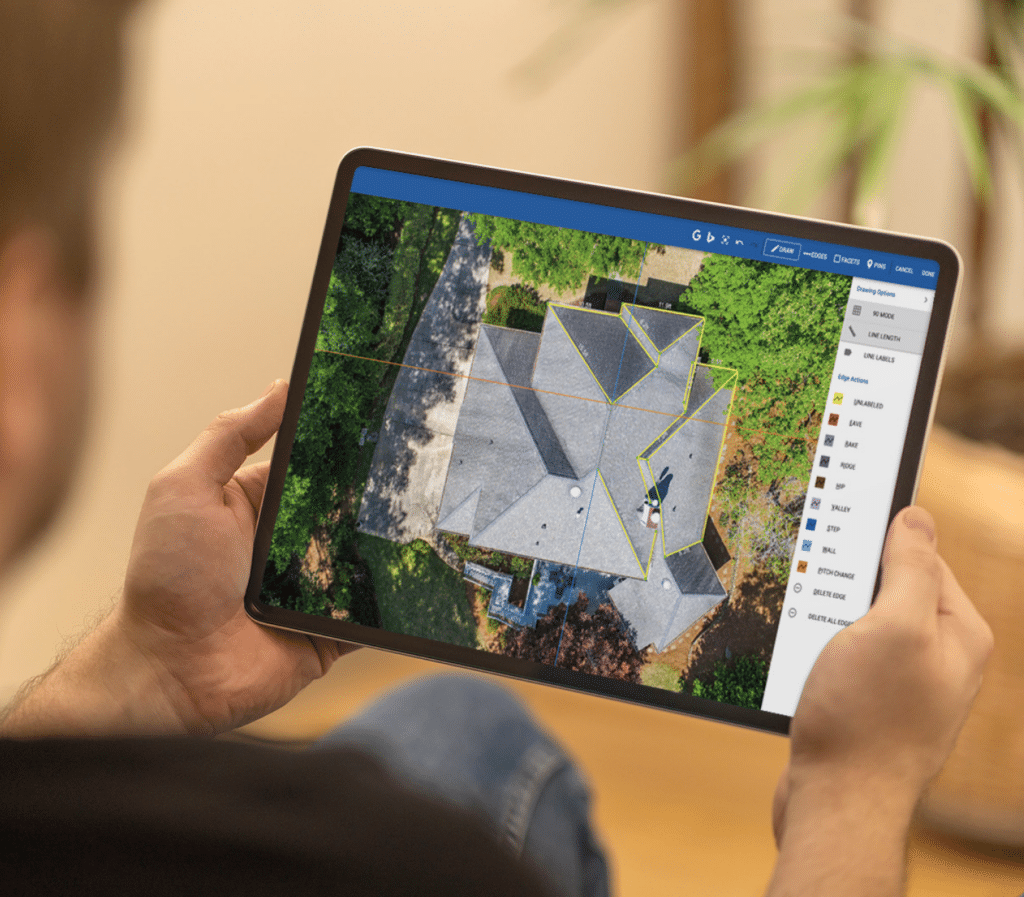
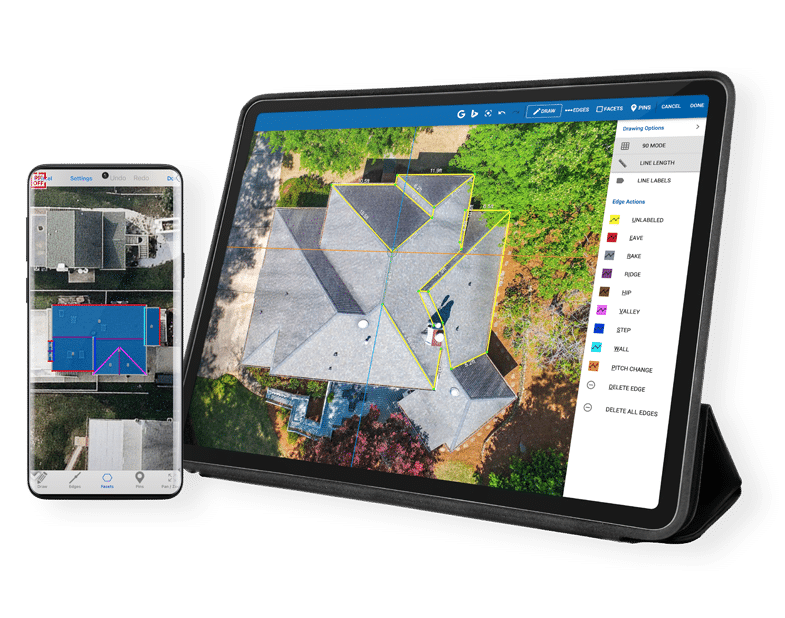
Platforms like RoofSnap bring estimating, contracts, production tracking, and payments into one ecosystem. This reduces handoffs, limits errors, and keeps projects moving without unnecessary slowdowns.
Step 7: Establish Clear Communication Checkpoints for Crews and Customers
Even with solid contracts and scheduling, jobs still slip when updates live “in someone’s head.” The fix is simple: build repeatable checkpoints where the right people get the right info at the right time.
Here are a few checkpoints that keep projects moving:
- Pre-Start Confirmation (24–48 hours before install): Confirm materials, dumpster/driveway access, crew start time, and weather plan
- Day-1 Kickoff: Quick scope review with the crew and a customer expectation reset (noise, landscaping, timeline)
- Mid-Job Update: Flag surprises early (decking, ventilation changes, flashing needs) so decisions don’t stall production
- Final Walkthrough + Closeout: Punch list, photos, warranty handoff, and payment steps in one clean wrap-up
When these checkpoints are standardized, your team doesn’t “wing it” job to job—and customers feel informed instead of anxious. That reduces last-minute calls, prevents rework, and keeps your schedule from getting derailed by avoidable confusion.
Common Roofing Scheduling Mistakes to Avoid
Even experienced contractors fall into these traps:
- Overbooking crews during peak season
- Not accounting for permit timelines
- Waiting too long to order materials
- Allowing unsigned contracts to “hold” schedule spots
- Failing to document scope changes immediately
Most of these issues aren’t skill problems. They’re system problems. And systems can be fixed.
What This Means for Your Roofing Business
If you want every job to stay on schedule, stop relying on effort alone and start tightening your systems.
Strong roofing project management comes down to:
- Clear contract lifecycle management
- Automated onboarding
- Structured document workflow automation
- Smart use of contract automation software
- Ongoing workflow optimization
When your processes are dialed in, jobs move faster, customers stay happier, and cash flow improves.
If you’re ready to simplify estimating, contracts, scheduling, and payments in one platform, RoofSnap was built specifically for roofing contractors who want tighter systems and smoother jobs. Start your free trial and see how streamlined project management can change your season.