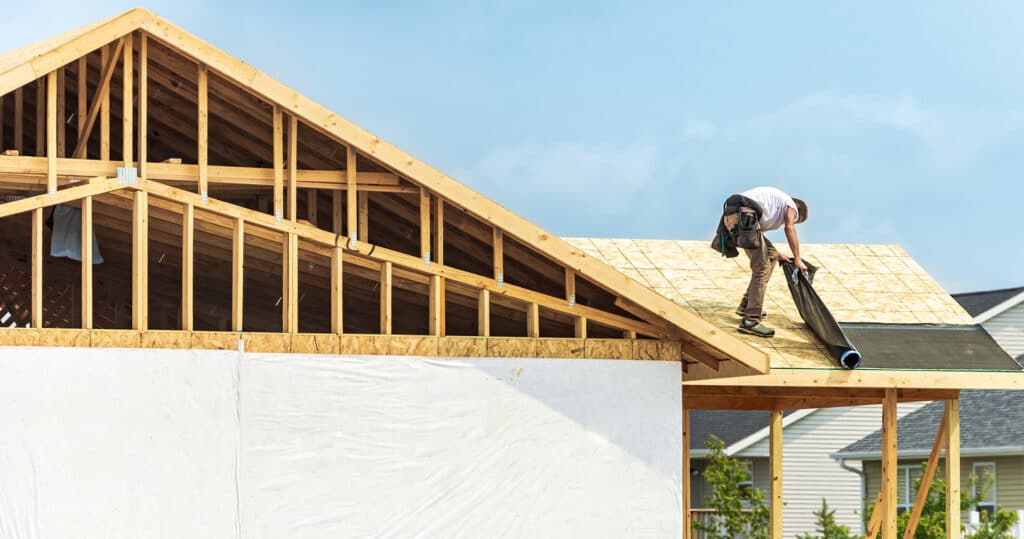
How Much Do Roofers Make in the Current Market?
Roofing is tough, but is it profitable?
The roofing industry is booming in 2025, with a growing demand for skilled roofers. But how much do roofers make? Earnings in this trade can vary significantly based on experience, location, and the type of roofing jobs you take on.
In this blog, we’ll break down roofer pay by different factors: from the national average to how experience and location can impact what you take home. We’ll also explore the tools and techniques that can boost your earning potential in roofing, making it a career with upward mobility and long-term opportunities.

Roofer Salary Overview in 2025
Roofing is an essential industry, and the need for qualified roofers continues to grow. In 2025, the national average salary for a roofer can vary based on a variety of factors, but let’s break it down:
How Much Do Roofers Get Paid: National Average Salary
The average pay for roofers in the U.S. is $26.85 per hour. That means a roofer can expect to earn anywhere from $36,240 to $79,850 annually, depending on factors such as their level of experience and percentile.
Entry-Level vs. Experienced Roofers
When you’re just starting out, how much do roofers get paid? Entry-level roofers tend to earn on the lower end of the pay spectrum, averaging around $17 per hour. However, with time and experience, this pay rate can increase significantly. Experienced roofers, especially those who specialize in certain types of roofing or who have built a solid reputation, can earn around $38 hourly.

Factors That Affect Roofer Pay
Several factors can impact how much you make as a roofer. Let’s take a closer look at what drives those differences.
Location
Where you work plays a big role in how much you can earn. High-demand areas, like big cities or places with tons of construction, tend to offer higher pay rates to attract talent. For example, you’ll likely earn more working in New York or California than in a rural area because the cost of living and demand for roofing services are higher.
Licensing and Certifications
If you’ve got specialized licenses or certifications, you’ll likely earn more than those who don’t. For instance, holding certifications in areas of metal roofing means you’ve got skills that require extra expertise—and that expertise will pay off with a higher salary.
Company Size
Larger roofing companies may offer higher pay, but there’s often more competition for the jobs. Smaller companies or independent contractors may give you more flexibility in pay and the ability to negotiate your rates directly with clients.
Specialty Work
Roofing jobs can vary a lot, and specializing in premium or more technical services can increase how much you earn. If you focus on higher-value roof systems — like metal roofing, tile, slate, or complex architectural roofs — you can generally charge more for your expertise. These projects require more skill and precision than basic asphalt shingle installs, which is why specialists often see higher pay.
Tools and Software
Using the right tools, like estimating software, can make a big difference in your pay. With software like RoofSnap, you can quickly create professional, accurate estimates and proposals, helping you close more deals and win more jobs. The more efficiently you quote, the higher your closing rate—and that can boost your commission-based earnings, especially if you’re working as a subcontractor.

How Much Do Roofers Make: Hourly vs. Project-Based Pay
Roofing jobs can be paid in two major ways: hourly or project-based. Explore how these pay structures affect how much roofers get paid.
Hourly Pay
An hourly salary is the most traditional way you’ll earn your wages as a roofer. It’s often favored by new or entry-level roofers, as well as those who prefer a steady schedule.
Pros of Hourly Pay:
- Consistent earnings for each hour worked
- Easier to track income
- Less pressure to complete jobs quickly
Cons of Hourly Pay:
- Limited earning potential if hours are reduced or if business is slow
- May not be as lucrative for skilled roofers who can complete jobs faster
Project-Based Pay
Some roofers work on a project basis, receiving a flat rate per job instead of an hourly wage. This pay structure can be more profitable for you if you’re experienced and able to complete jobs efficiently.
Pros of Project-Based Pay:
- Potential for higher earnings if you work quickly and efficiently
- More flexibility in how you structure your workday
Cons of Project-Based Pay:
- No guaranteed income—if a project is delayed, pay can be slow
- Seasonal changes can affect the availability of work, leading to gaps in income
Seasonal Differences
Roofing, like many construction jobs, has seasonal fluctuations. In warmer months, roofing jobs are more abundant, and you can earn more. In colder months, work may slow down, especially if you’re in areas with harsh winters.
Bonuses and Overtime
Both hourly and project-based roofers can boost their earnings with bonuses and overtime. During high-demand seasons, some companies offer overtime, significantly increasing your pay. Bonuses for landing big projects or finishing jobs ahead of schedule are also common.

How to Earn More as a Roofer in 2025
If you’re looking to boost your earnings as a roofer, there are a few strategies you can implement to stand out in the market.
- Specialize in Premium Services – One of the quickest ways to increase your roofer salary is to specialize in premium roofing services. This could mean working on high-end materials like slate, tile, or metal roofing. These systems require more skill and precision, and that expertise lets you charge higher rates and take on more profitable jobs.
- Use Technology to Your Advantage – Tools like RoofSnap allow roofers to create faster, more accurate proposals and quotes. The ability to close deals quickly can help you secure more jobs and increase your overall income. RoofSnap’s roof estimate and proposal features can help roofers streamline their workflow and improve their job closing rates.
- Join or Start a Crew – Taking on a leadership role, whether by joining a larger crew or starting your own roofing business, can lead to higher pay rates. As a crew leader, you can command a premium over regular roofers because of your experience, organizational skills, and ability to manage multiple projects.
- Upsell Additional Services – You can also increase your income by upselling additional services. Offering extras like gutter cleaning, roof inspections, or chimney repairs adds more value to your projects, helping you increase your average ticket price.
Frequently Asked Questions
1. Do roofers get paid differently based on the type of roofing materials they use?
Yes, roofers who specialize in high-end or complex materials like slate or metal can often charge higher rates. These materials require more skill and experience, which can result in a higher pay rate compared to standard asphalt roofing.
2. How does the weather affect a roofer’s income?
Weather plays a huge role in a roofer’s income. Roofers in areas with extreme temperatures or high rainfall may experience seasonal slowdowns. However, in warmer climates or during favorable weather conditions, roofers can work year-round and make more money.
3. Can roofers make more by working overtime?
Yes, many roofing companies offer overtime pay, especially during peak seasons or high-demand periods. Overtime can significantly increase a roofer’s earnings, particularly if they are working long hours during busy months.
4. How does having roofing business affect earnings compared to being an employee?
Running your own roofing business can lead to higher earnings if you’re successful, as you’ll set your own rates and potentially have multiple clients at once. However, it also comes with more responsibility, such as managing employees, handling marketing, and securing your own projects.
5. Do roofers get paid more in commercial vs. residential roofing?
Generally, commercial roofing jobs tend to pay more than residential roofing, due to their complexity, larger scale, and specialized knowledge required. Roofers working on commercial projects may earn higher pay but might also face tougher working conditions.

What This Means for Your Roofing Career
So, how much do roofers make in 2025? It depends. Your pay is influenced by where you work, how skilled you are, and how you approach your business. Sharpen your skills, get the right certifications, and use tools like RoofSnap to improve your quoting efficiency — this can help you earn and secure more jobs.
Roofing offers long-term opportunities. With the right strategy and tools, you can steadily increase your pay and set yourself up for success in this growing industry. Using tools like Snap Estimate helps you quote faster, win more jobs, and grow your roofing business income. Try RoofSnap free today and see how it can boost your earning potential.